The Cancer Clinical Research Trust has been awarded a significant grant by The Tom Cunningham Trust and Ireland Funds to conduct novel research in HER2-positive breast cancer.
The project is titled HER2+ breast cancer- Cracking the code of exceptional response to improve outcomes for all.
Patients with advanced HER2+ breast cancer often face a challenging prognosis. Over the past 25 years, through his pioneering use of the targeted therapy Herceptin, Prof. John Crown has built “The One Thousand Patient HER2 Database” at St. Vincent’s University Hospital, Dublin—a unique resource designed to uncover why some patients respond remarkably well to treatment while others do not.
1 in 10 patients with advanced HER2+ breast cancer experience long term “exceptional responses”, living up to 20 years (average 12+ years)—far longer than the expected five years, even when their cancer has spread throughout the body. Exceptional responders show that long term survival is possible. Learning from them may help more patients achieve better, longer lasting responses.
Dr. Denis Collins and Dr. Naomi Walsh at Dublin City University have partnered with Prof. John Crown to investigate the biological differences between exceptional responders and non-responders. Existing work has already identified key distinctions in immune activity and cancer DNA that may explain why some patients benefit so profoundly from therapy.
This grant will fund the 4-year, Tom Cunningham PhD Fellowship, which has been awarded to Orla Gallagher. Orla will work closely with Drs. Collins and Walsh, and Professor Crown, and by further decoding the biology behind exceptional response, the team aims to develop new treatments, new tests, and new strategies that can improve outcomes for every patient—especially those who currently respond poorly.
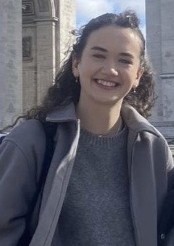
Without the funding from the Tom Cunningham Trust this project would not be able to proceed. While providing a valuable additional researcher to the team the funding will also support the substantial sample analysis required to answer these important research questions.
We are very grateful to the Tom Cunningham Trust for recognising the importance of this research and their substantial support